Importing food sounds complex, but Malaysia has made it much easier for global buyers.
Halal frozen food from Malaysia is widely trusted, export-ready, and already supplied to markets across Asia, the Middle East, and beyond.
If you are a distributor, retailer, or importer looking to expand your product range, this guide breaks down what you actually need to know.
Why Malaysia is a Hub for Halal Frozen Food Export
Malaysia is one of the most reliable sources for export halal-certified food, especially in the frozen category.
Here’s why buyers choose Malaysia:
- Strong global recognition of JAKIM halal certification
- Established ecosystem of food export companies
- High demand for products like pau, dim sum, and ready meals
- Modern manufacturing by certified halal food company in Malaysia
For international buyers, this means lower risk and smoother entry into your market.
What Halal Certification do you Need for Import
The most important requirement is: JAKIM Halal Certification
This is recognized by:
- ASEAN countries
- UAE and Saudi Arabia
- Japan, Korea, and Australia
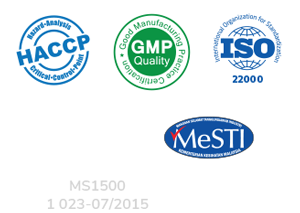
Most serious halal exporters will also have:
- HACCP
- GMP
- ISO 22000
Always check if your country requires additional local halal approval.
Key Documents for Importing Frozen Food
When working with a halal frozen food supplier, these documents should be standard:
- Halal Certificate
- Certificate of Origin
- Certificate of Analysis (COA)
- Product specification sheet
- Commercial invoice and packing list
Reliable frozen food export partners will prepare these without delays.
Cold Chain and Logistics for Frozen Food Export
Maintaining temperature is critical for frozen foods.
Process overview:
- Products are blast frozen
- Stored at -18°C
- Shipped in reefer containers
- Delivered to cold storage at destination
This is standard practice among experienced frozen food manufacturers and exporters.
Always request temperature records before shipment.
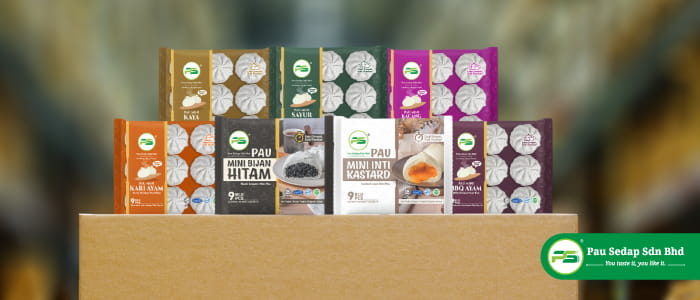
Best Frozen Food Products for Export Markets
Some of the best frozen food products consistently perform well across markets:
Frozen Pau
- High demand in retail and convenience stores
- Easy for consumers to prepare
Frozen Dim Sum
- Popular among restaurants and supermarkets
- Supplied by established frozen dim sum suppliers
Frozen Mantou and Snacks
- Versatile and widely accepted across cultures
These products are commonly distributed by wholesale frozen food suppliers and halal snack distributors.
How to Choose the Right Halal Frozen Food Supplier
Not every frozen food company is export-ready.
Look for:
- Valid halal certification
- Export experience
- Consistent supply capability
- Full documentation support
A professional halal frozen food supplier should also offer:
- OEM or private label options
- Flexible MOQ
- Clear lead times
Avoid suppliers that cannot provide documentation or export references.
Wholesale and Distribution Opportunities
Importing wholesale halal frozen food opens multiple business channels:
- Supermarkets and retail chains
- Restaurants and cafes
- Catering and food service
- Online grocery platforms
Working with a strong frozen food brand in Malaysia helps ensure product acceptance and repeat purchases.
Choosing the Right Halal Frozen Food Partner for Import
When importing halal frozen products, your supplier matters more than the product itself.
A reliable partner should provide:
- Certified halal production
- Consistent supply
- Export-ready processes
- Products that actually sell
Pau Sedap Sdn Bhd is a trusted halal frozen food supplier and frozen food manufacturer supplying pau, dim sum, and mantou to international markets.
With strong certifications, scalable production, and export experience, Pau Sedap supports importers looking for long-term growth.
If you are planning to import halal frozen food, we are the partner built for reliability, consistency, and market demand.
Become a Pau Sedap Agent or Distributor
Upgrade your menu and offerings with our delicious pau and dim sum.